Refrigerated And Cold Containers Supplier for Temperature-Controlled Storage Solutions
A cold container, also known as a reefer container, is an intermodal shipping container equipped with an integrated refrigeration system to transport and store temperature-sensitive products. These containers are widely used for preserving perishable goods such as food items, pharmaceuticals, chemicals, and dairy products by maintaining controlled temperatures throughout the supply chain.
Unlike regular insulated boxes, refrigerated containers use active cooling and heating systems powered by electric sources from ships, trucks, or terminals. This helps maintain precise temperature conditions and ensures the cold chain remains uninterrupted during transportation.
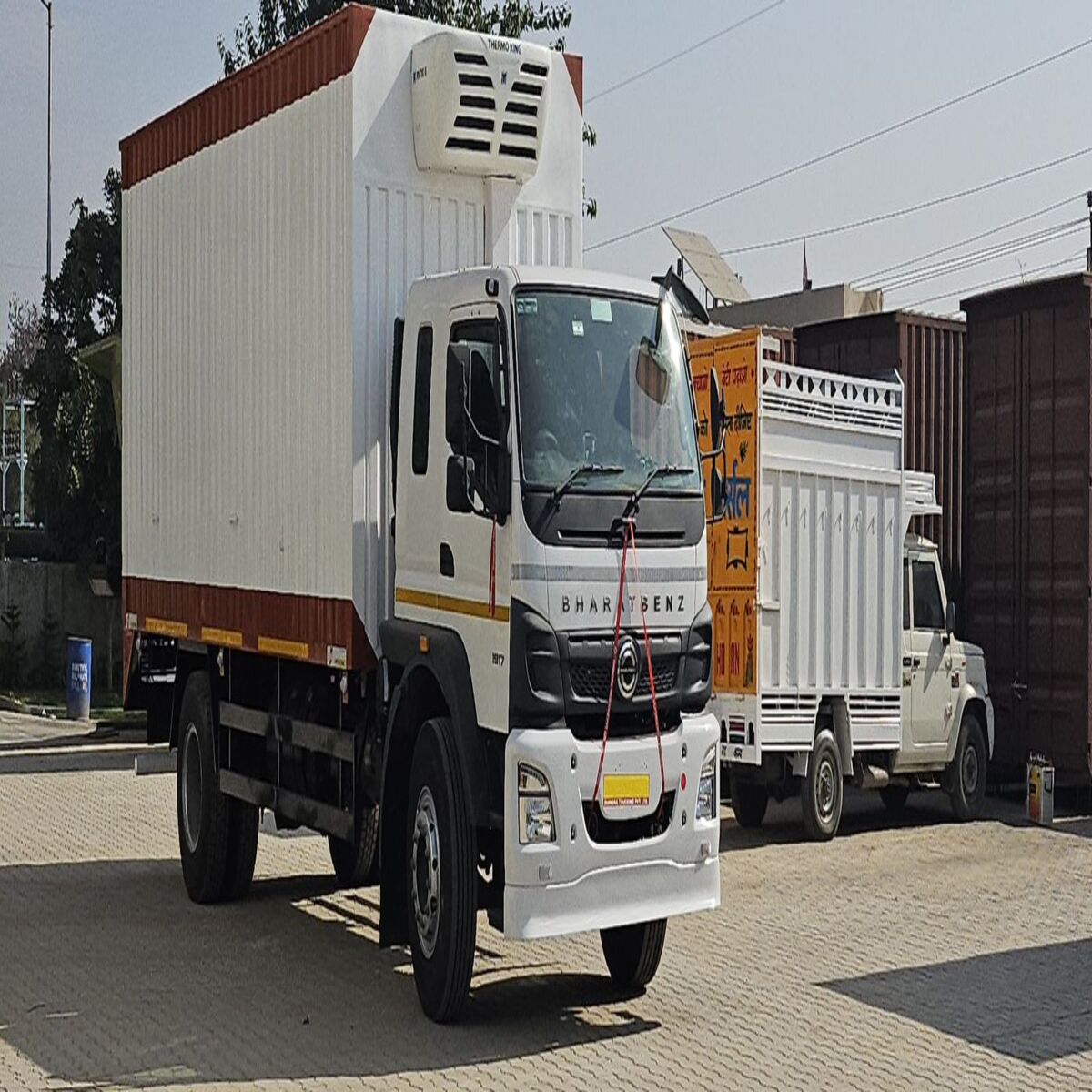
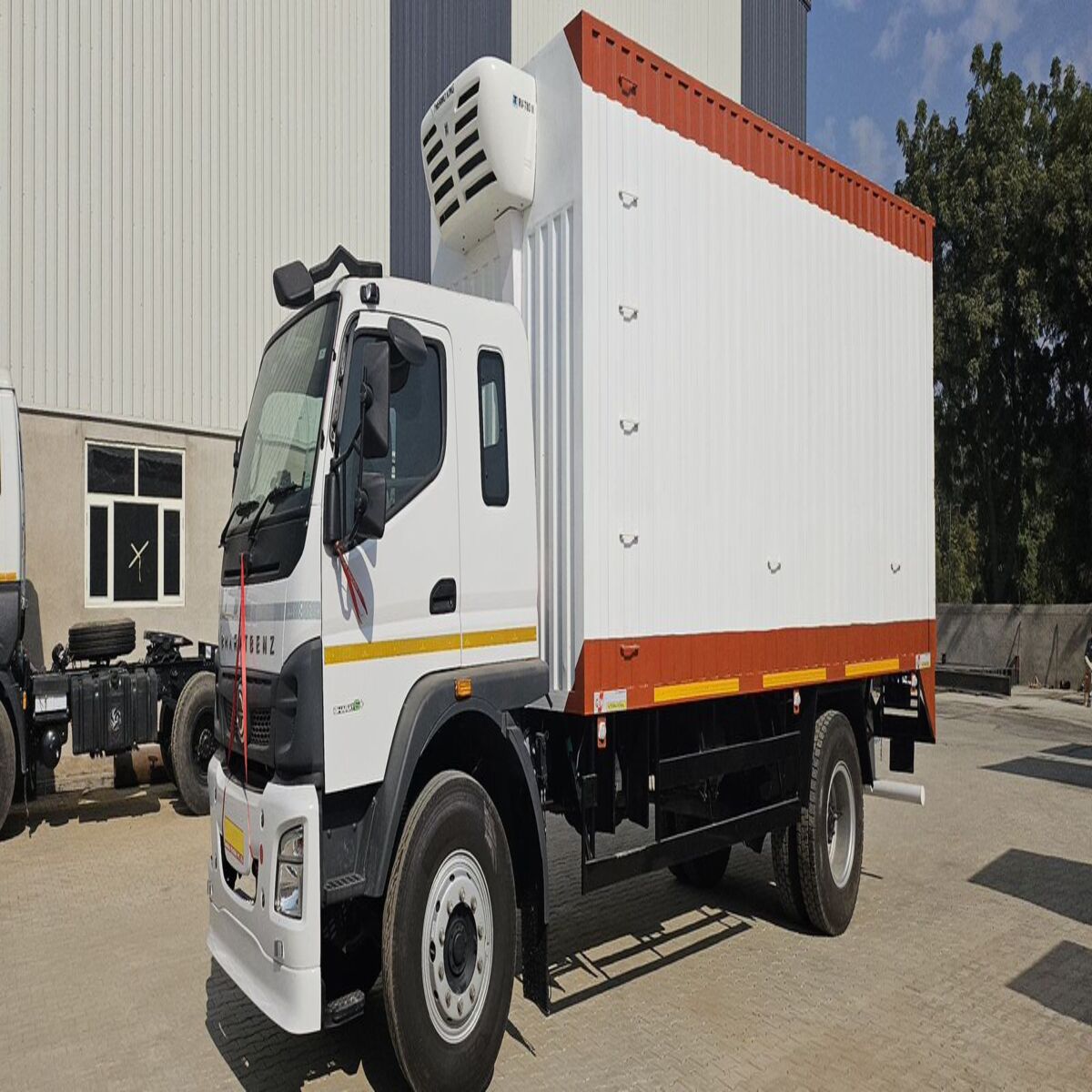
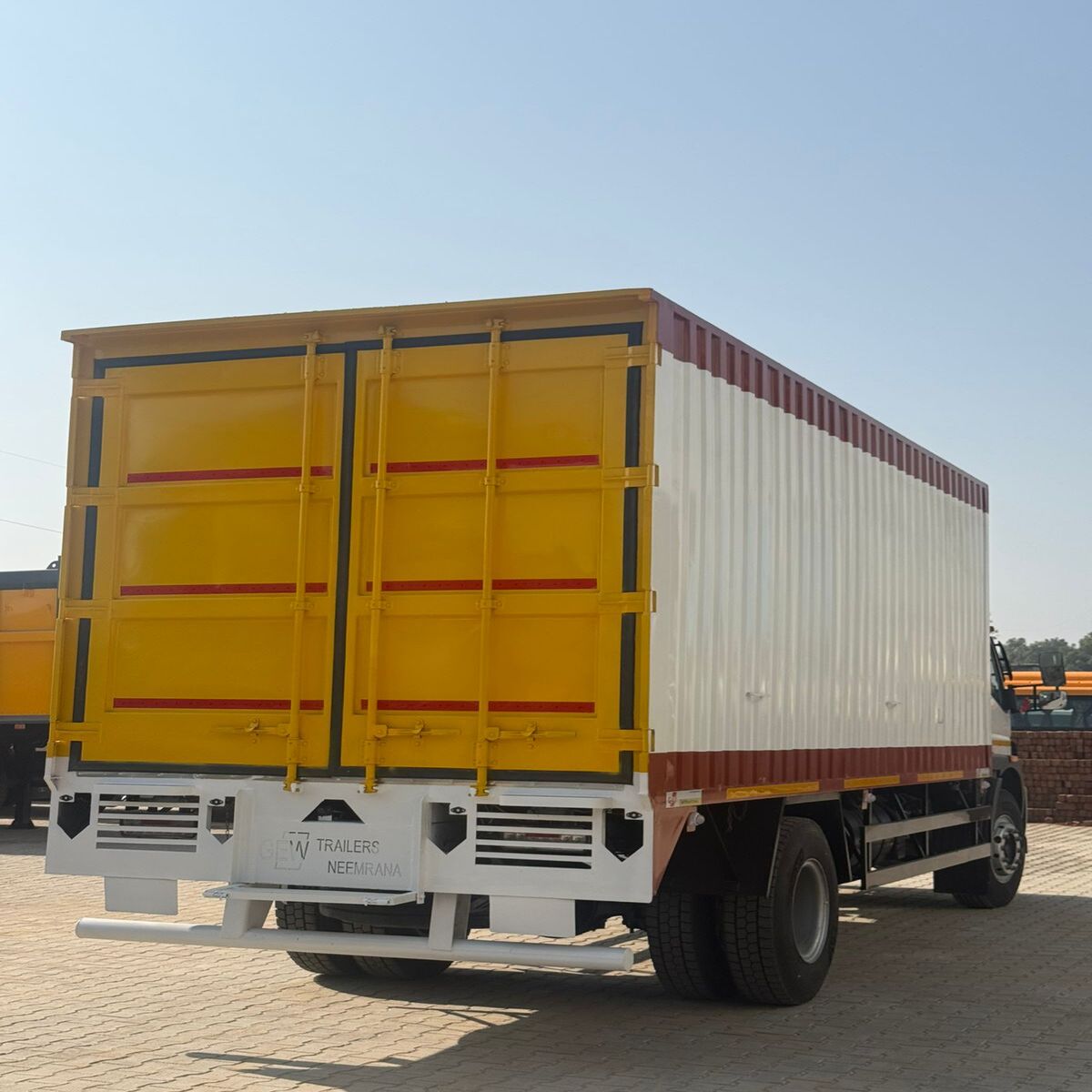
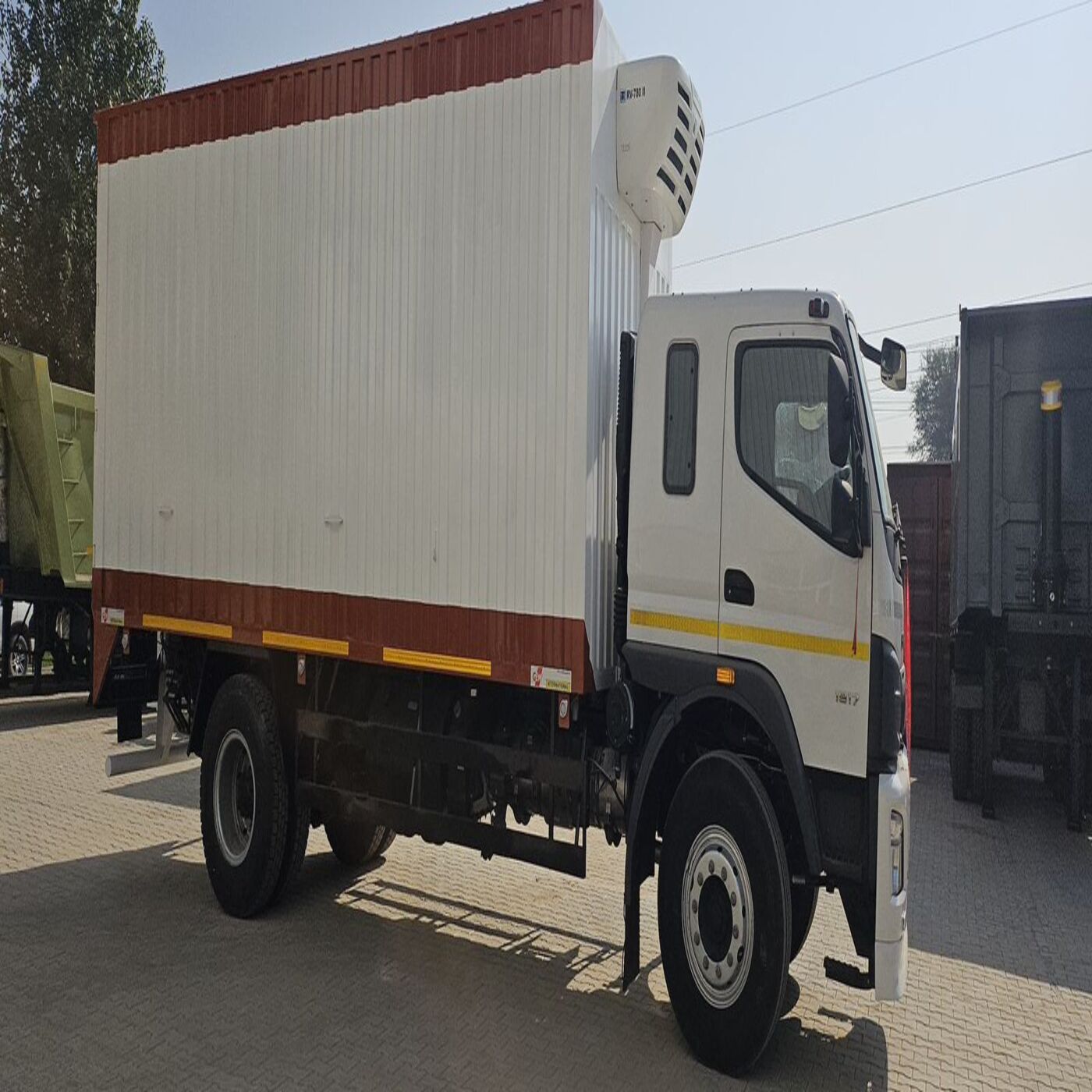
The advanced cooling systems from Gokul Engineering Group protect fresh products during long-distance transportation. These heavy-duty transport units maintain stable cold temperatures to prevent product spoilage. The strong outer structure protects stored goods from external heat conditions, making them suitable for dairy industries, food suppliers, and pharmaceutical businesses. Choosing the right Refrigerated And Cold Containers Supplier helps businesses maintain product quality and reduce storage losses.
Key Features of Refrigerated And Cold Containers
- Active Cooling and Heating System: Refrigerated containers use advanced refrigeration technology to actively cool or heat products, allowing accurate temperature control according to cargo requirements.
- Wide Temperature Range: These containers can maintain chilled and frozen temperatures, making them suitable for different types of temperature-sensitive products.
- Efficient Airflow Management: The T-shaped flooring design allows cold air circulation throughout the container, ensuring uniform temperature distribution and preventing hot spots.
- Strong Insulated Structure: Built with durable steel and aluminum frames, these containers include high-quality insulation materials that help prevent temperature loss.
- Multiple Size Options: Refrigerated containers are commonly available in standard 20-foot and 40-foot sizes to meet different transportation and storage requirements.
- Advanced Monitoring System: Modern cold containers feature real-time monitoring systems to track temperature and humidity levels for better cargo protection.
Types of Cold Containers for Different Applications
- Reefer Containers: These electrically powered units provide active temperature control and are commonly used for intermodal transportation.
- Cryogenic Containers: These containers use dry ice or liquid nitrogen technology and are suitable for short-distance transportation or air freight applications.
- Insulated Containers: These containers provide passive cooling and are suitable for short-duration storage without active refrigeration systems.
Common Applications of Refrigerated Cold Containers
- Transportation of fresh food products including fruits, vegetables, meat, and dairy items.
- Safe storage and movement of pharmaceutical products and vaccines.
- Temporary cold storage solutions for warehouses, ports, events, and industrial facilities.
- Maintaining freshness of temperature-sensitive goods during domestic and international shipping.
Reliable Refrigerated And Cold Containers for Safe Product Transportation
These large cold storage units help businesses keep their products fresh during long-distance shipping. The advanced cooling system maintains consistent temperatures while thick insulated walls trap cold air inside the container. Transport companies and food industries can depend on these solutions to reduce wastage, improve product safety, and maintain quality from origin to destination.